
You have primary connectivity. But what happens when it fails?
Fiber cuts happen. Carrier outages happen. Construction crews dig through conduits. Equipment fails. Weather disrupts service. If your site has only one connection, you’re offline until someone fixes it. That could be hours. That could be days.
You need a secondary layer that activates automatically when the primary goes down. Not a second link from the same carrier running through the same conduit. Real backup requires true diversity: different carrier, different technology, different physical path.
Built for sites where losing connectivity is not acceptable
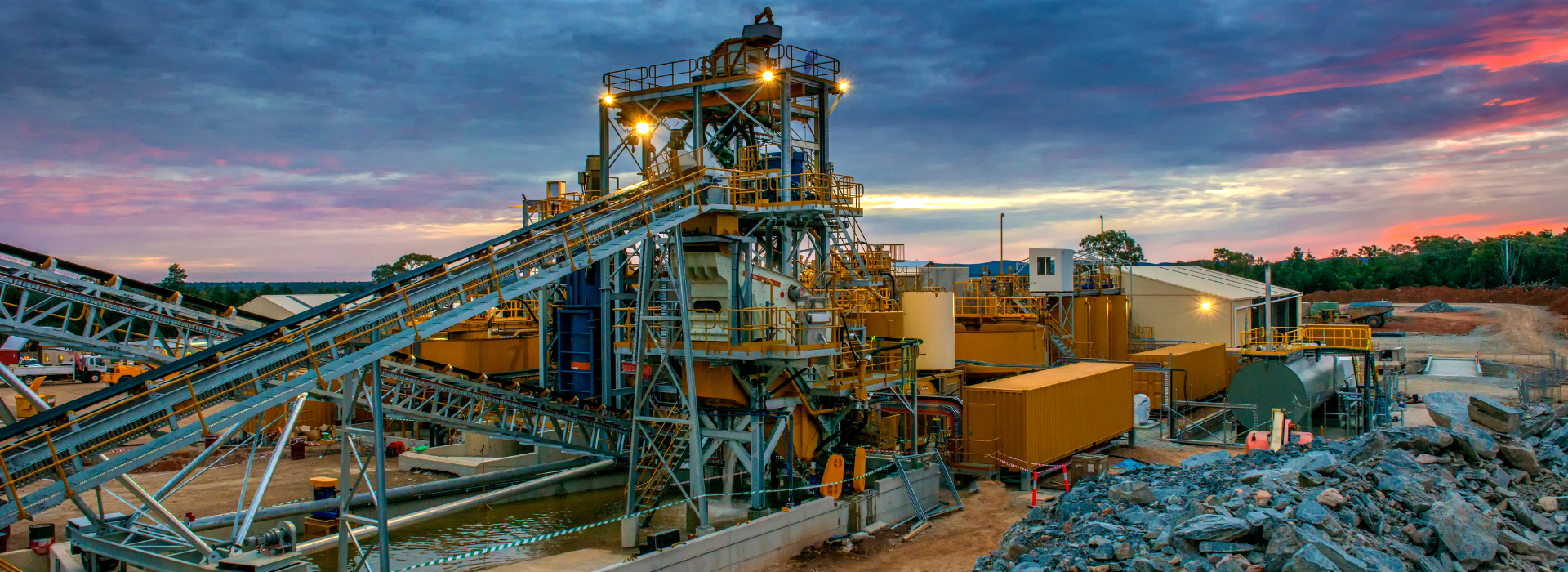
Remote operational sites
Energy, industrial, logistics. Sites in locations poorly served by terrestrial carriers. Satellite backup ensures connectivity when nothing else is available.

High-value retail locations
Stores where downtime directly impacts revenue. Backup ensures POS systems stay online even when primary link fails.

Branch banking and financial services
ATMs, branches, transaction infrastructure. Regulatory and operational requirements demand backup connectivity.

Critical infrastructure
Any site where losing connectivity creates safety risk, compliance risk, or operational disruption. Backup is insurance.
Resilient secondary connectivity designed for failover
Features:
01
Satellite backup (Starlink / LEO)
Low-earth-orbit satellite connectivity for remote or underserved locations. When te
02
Cellular backup (LTE / 5G)
Managed cellular failover for sites where fiber or fixed wireless is primary. When the primary link fails, traffic routes through cellular. Once primary recovers, traffic switches back.
03
Automatic failover configuration
We configure intelligent routing. When primary connectivity is healthy, backup stays dormant. When primary fails, backup activates within seconds. Seamless transition. No manual fallback.
04
Integrated monitoring
Both primary and backup connections are monitored 24/7. We track failover events, measure recovery time, and report performance. You know when failover happened, how long it lasted, and why.
05
Managed hardware and activation
Backup hardware (satellite terminals, cellular gateways) is provisioned, configured, and managed by Vialterna. No client capex. No internal management overhead.
Step 1: Assessment
We evaluate your current connectivity: what's your primary link, where are the vulnerabilities, what's the cost of downtime. Most sites with single-carrier primary are one fiber cut away from extended outage.
Step 2: Backup architecture design
We design backup solution based on site location and criticality. Remote sites with poor terrestrial options get satellite. Urban sites with strong cellular coverage get LTE/5G. Architecture matches the need.
Step 3: Deployment
We deploy backup hardware, configure failover logic, and integrate with monitoring. Deployment happens without disrupting your primary connectivity.
Step 4: Ongoing monitoring and reporting
Once live, we monitor both primary and backup. When failover events occur, we log them and report performance. You get visibility into how often backup activated, how long it ran, and whether performance met expectations.
Industrial operations: Satellite backup for remote sites
© 2026 All Rights Reserved.